La Cacica rural district · Zapatoca · Santander · Colombia

Who we are: the technical network of peasant communities.

CIDERT is a non-profit corporation with its own legal status, born in the La Cacica district of Zapatoca to handle what no peasant association can manage alone: partnerships, cooperation projects, ecological restoration and fair markets. We work within the framework of Peasant Agri-Food Territories (TECAM), with community autonomy as a non-negotiable principle.

01
1
Non-profit corporation with its own legal status
02
27
rural districts (veredas) in Zapatoca
03
100%
of decisions made in assembly: our rule
04
1991
constitutional backing for peasant rights

Who we are

A corporation born in the territory

We are not outsiders coming to "help" the countryside. We are part of the territory: we were born in the La Cacica district of Zapatoca, and we exist so that the peasants of Santander have a technical and institutional arm of their own.

CIDERT — Corporación Integral para el Desarrollo Rural y Territorial — is a non-profit based in Zapatoca, Santander, registered with the Bucaramanga Chamber of Commerce, with its own tax ID and public bylaws. We work within the framework of Peasant Agri-Food Territories (TECAM): the recognition of peasants as a collective subject of rights, with autonomy over their territory, production and way of life.

Our role is to manage what communities need but cannot process alone: partnerships with municipalities, universities and international cooperation; ecological restoration and environmental monitoring projects; market access for the network's products; and the training and dialogue spaces where the territory learns and is held accountable.

Non-profitNIT 902085017-1Legal statusZapatoca, SantanderSurplus reinvested locally

La Cacica is the pilot district: CIDERT was born there, and that is where we want to test each method first — water monitoring, native-species nurseries, a collective brand, training — before extending it to the rest of the network. None of these is implemented yet: we are seeking the resources to start. What works in La Cacica will be documented and shared with Zapatoca's other 26 districts through the Territorial Roundtable.

The end goal is not for CIDERT to grow as an organization, but for the network of Zapatoca's districts and associations to become a replicable model: first a pilot municipality for Santander, then a reference for peasant-led territorial management in Colombia.
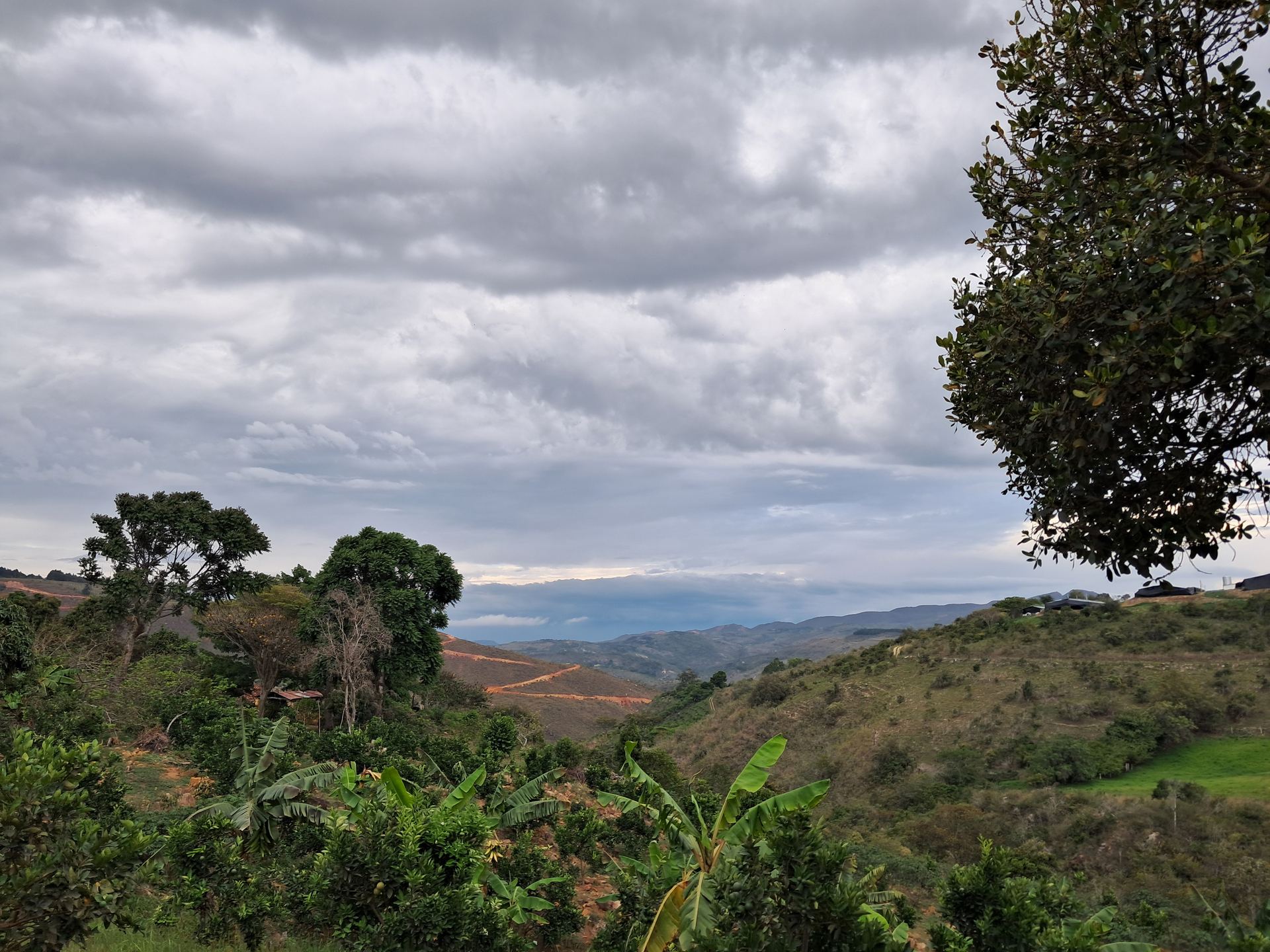
La Cacica rural district, Zapatoca, Santander La Cacica rural district · Zapatoca · Santander

"We are the technical instrument of Zapatoca's Peasant Agri-Food Territory — the network that turns community sovereignty into projects, partnerships and enforceable rights."

CIDERT · TECAM framework · La Cacica

Legal and strategic framework

Peasant Agri-Food Territories (TECAM)

CIDERT works within the TECAM framework: the constitutional recognition of peasants as a collective subject of rights with autonomy over their territory, production and way of life. It is the legal and strategic source of everything we do.

Sunrise over La Cacica, Zapatoca Sunrise over the territory · La Cacica
The spark

La Cacica opens the way

A pilot district for Colombia.

District · La Cacica
The process

La Cacica drives the network

The network of Zapatoca's 27 rural districts: the real regional pilot.

27 districts · Zapatoca
The result

The network positions Zapatoca

A pilot municipality for the world.

Municipality · Santander
01 — Territory

Land is not an asset: it is life

TECAM recognizes the collective right to inhabit, manage and defend the territory. Land is cared for, passed on between generations and worked in common — not speculated with.

02 — Agri-food

Food sovereignty, not dependency

Communities have the right to decide what they grow, how they grow it and who they sell to. Production serves the family and the district first; then the market.

03 — Community

Decisions are made in assembly

Territorial management is collective. Projects, investments and partnerships are decided with the community — not in a city office or an outside company.

Legal basis of TECAM

Arts. 64–66 · Constitution 1991

Right to land. The State must promote progressive access to land ownership for agricultural workers.

SU-016 · Constitutional Court 2021

Subject of rights. The Court recognized peasants as a collective subject of special constitutional protection.

Comprehensive Rural Reform · Peace Agreement 2016

Rural transformation. Communities as protagonists of rural change, not passive beneficiaries.

Decree 902 · 2017

Land regularization. Implements the Rural Reform in access to and formalization of rural property.

Law 2169 · 2021

Climate Action. Links sustainable peasant production with carbon markets and the Paris Agreement.

Decree 780 · 2024

TECAM regulation. Regulates how Peasant Agri-Food Territories are created, delimited and governed.

Corporate governance

How we are governed

Lean governance, with a clear separation between who decides, who executes and who oversees. Wider participation will take place in the Territorial Roundtable — not in bureaucracy.

General Assembly of Members
Board of Directors
Legal Representative
Operating Committees
Statutory Auditor
Territorial Roundtable — wider participation · quarterly (planned)
Community boardsCorporationsLocal governmentsInstitutionsAssociations
01

Registered bylaws

Bucaramanga Chamber of Commerce

02

Statutory auditor and financial statements

Required by our bylaws; the first annual closing is still pending

03

Quarterly Territorial Roundtable

Set out in the bylaws and open to all allies; it has not met yet

04

Non-profit

Surplus reinvested in the territory

Who is already part of the network, and how to join → Members and allies.

Let's build together

Does your organization work on rural development?

Learn how to join the network as a member or ally, or propose a cooperation agreement to CIDERT.

Members and allies →Write to CIDERT →